Be yourself; Everyone else is already taken.
— Oscar Wilde.
This is the first post on my new blog. I’m just getting this new blog going, so stay tuned for more. Subscribe below to get notified when I post new updates.
Be yourself; Everyone else is already taken.
— Oscar Wilde.
This is the first post on my new blog. I’m just getting this new blog going, so stay tuned for more. Subscribe below to get notified when I post new updates.

Hi my name is Emma Vaz, and this is my final project presentation for CEID100: Digital Skills and Innovation for the Global Economy. Throughout this course we have learned so much about challenges within technology. One of the issues that we’ve learned about in this class that I think is integral for everyone, specifically adolescents, is social media literacy.
In today’s information age, digital technologies and social media play central roles in everyday life, for all ages. With the growth of algorithm curated feeds on social media, and an increase of social media being use as a primary new outlets, it is necessary for all ages to learn how to be media literate and critical of the information they consume.
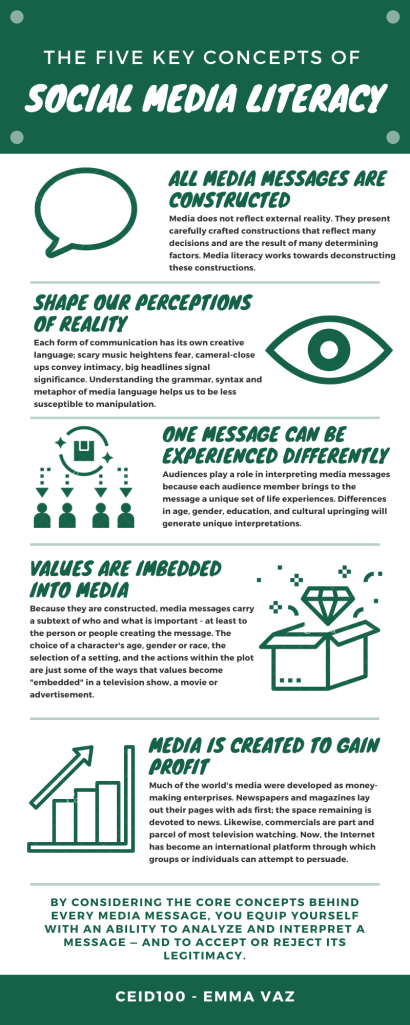
I’ve created a series of blogposts to further dive into the subject, defining media literacy, outlining the 5 key concepts of media literacy, how to detect bias in different sources, and how to fact check information.

Media literacy is the skill to critically analyze information that is consumed from social media or other online sources. Because of rapid technological advancements, social media is heavily ingrained in people’s everyday lives and consumes a lot of its users’ time and attention. This allows users to have access to all kinds of information, making this type of literacy crucial. However this skill is rarely taught, despite the evident need for conscious information consumption. Current research on this topic focuses on how media literacy should be taught in schools for children and teenagers. Upon analyzing current research, it seems that the youth that have grown up alongside with the development of technology is the most knowledgeable about how to use it, and how to interact with technology and social media.
Well, let’s say that you are scrolling through your newsfeed on instagram. And you come across a post that you find interesting and want to share it with your followers. So you add it to your story. Then a few hours later, you find that your inbox is filled with direct messages from different people, who are disagreeing with the content, saying that it’s uninformed, offensive, or that the information is not accurate. After the criticism, you’ve gained more perspective on the post, and can understand why it’s not something you completely align your values with. Now media literacy is the practice to critically evaluate when engaging with social media.
Now, I know what you’re thinking. I only post on my finsta account, and it’s private anyways, so only my close friends can see what I post.
But social media literacy is much more than thinking before you share, it’s about the information you consume. Because let’s face it, your phone is more than just a device, its an extension of your mind, it’s on you at all times, and everything you can access from it. The next few blog posts are going to dive into ways to be more literate when it comes to social media and raise awareness of your online presence and how to navigate it safely.

Bias is defined as a positive or negative attitude towards something, often based on preconceived prejudices or viewpoints rather than evidence. We expect the news to be objective because we use the news to learn about and understand what’s going on in the world, but the media can contain ideological messages and have social and political implications.
Bias through selection and omission
A journalist can express a bias by choosing to use or not to use a specifica news item. Within a given story, some details can be ignored, and others included, to give readers or viewers a different opinion about the events reported.
Bias through omission is difficult to detect. Only by comparing news reports from a wide variety of outlets can this form of bias be observed.
Bias through placement
Readers of papers judge first page stories to be more significant than those buried in the back, while news websites place the most important stories on their home page. Where a story is placed, therefore influences what a reader or viewer thinks about its importance.
How the story is organized is also significant. Most news stories are written in an “inverted pyramid” style, beginning with what is considered the most newsorth facts, followed by the important details relating to those facts, and finally background information to provide context. The last part of the story contains information that readers are least likely to read and editors are most likely to cut. This can be a form of bias because context often helps you fully understand a topic.
Bias by headline
Many people read only the headlines of the news item. Most people scan nearly all the headlines in a news source. They can summarize as well as present carefully hidden bias and prejudices. They can convey excitement where little exists. They can express approval or condemnation.
Bias through use of names and titles.
News media often uses labels and titles to describe people, places, and events. A person can be called an “ex con” or be referred to as someone who “served time 20 years ago for a minor offense.” whether a person is described as a “terrorist” or a “freedom” is a clear indication of editorial bias.
Bias by source control
To detect bias, always consider where the news comes from. Is the information supplied by a reporter, an eyewitness, a cop, or a government official? Each may have a particular bias that is introduced into the story.

How to fact check a post
When doing additional research on a topic, look for sources that include factual information versus just opinion pieces.
Misinformation can spread like wildfire on social media, if you see something that is false or promotes misinformation you can flag it. How toMost social media sites like instagram and twitter give users the option to report false content and certified fact-checkers will analyze its veracity.
AllSides. While not a fact-checking site, AllSides curates stories from right, center and left-leaning media so that readers can easily compare how bias influences reporting on each topic.
Fact Check. This nonpartisan, nonprofit project of the Annenberg Public Policy Center of the University of Pennsylvania monitors the factual accuracy of what is said by U.S. political players, including politicians, TV ads, debates, interviews and news releases.
Media Matters. This nonprofit and self-described liberal-leaning research centre monitors and corrects conservative misinformation in the media.
Here is the original blog post by Avinash Kaushik : https://www.kaushik.net/avinash/slaying-data-puking-dragon-effective-dashboards/
The article is about “The Five Strategies for Slaying the Data Puking Dragon”
This is the infograph that I created to illustrate the information.

I created a PSA about combating the spread of misinformation!
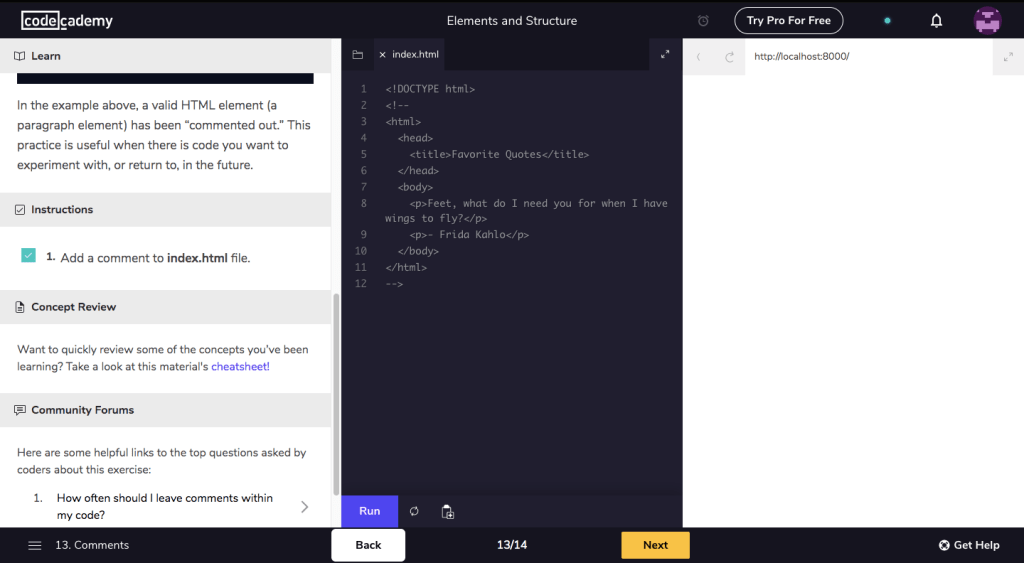
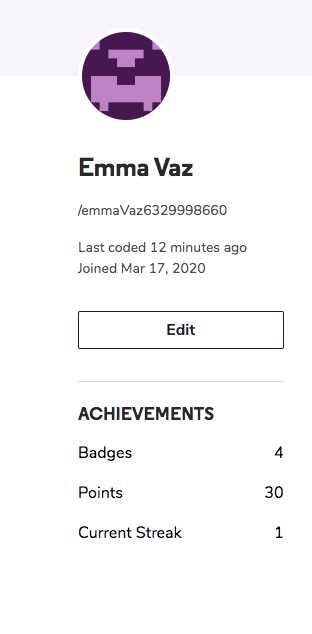
I learned some basic coding skills through code academy, and earned some badges!
The purpose of an elevator speech is to make execute potential business connections and quickly let others know your qualifications are, and ignite a two-sided conversation. The point of the elevator speech is to exercise how to present yourself in a professional setting. An elevator pitch must be timely, persise, relevant, and to the point. In order to create an elevator pitch you must address these points: Who you are, some background, explain and provide context, make a connection, ask what you want from them, and close out. The important qualities for my elevator speech are to talk about my studies as a student. I introduce myself, highlight my field of study as well as some background context to what its about. After the introduction, I will pitch the ask, this is what opportunity or connection I want to make with this person, and for my example I am going to ask about an internship. In the ask I state my objective, and what information that I need from them to create a two-sided conversation. After the exchange of information, I will thank them for their time and connection, and close with an intention to follow up with them.
“Hi I’m Emma Vaz! It’s so nice to meet you. I study Professional Communications at Ryerson University. It is a part of the school’s Faculty of Communications and Design, which is the heart of Canada’s media, design and creative industries. I know all about your communications company and its operations, and I am so fascinated with your work. I am looking for an internship for this summer and would love to connect with you and find out how to apply and get to the top of the list. Thank you so much, I will certainly stay in touch and follow up with an email you right after this. It was so nice to meet you.”

 Site Title